

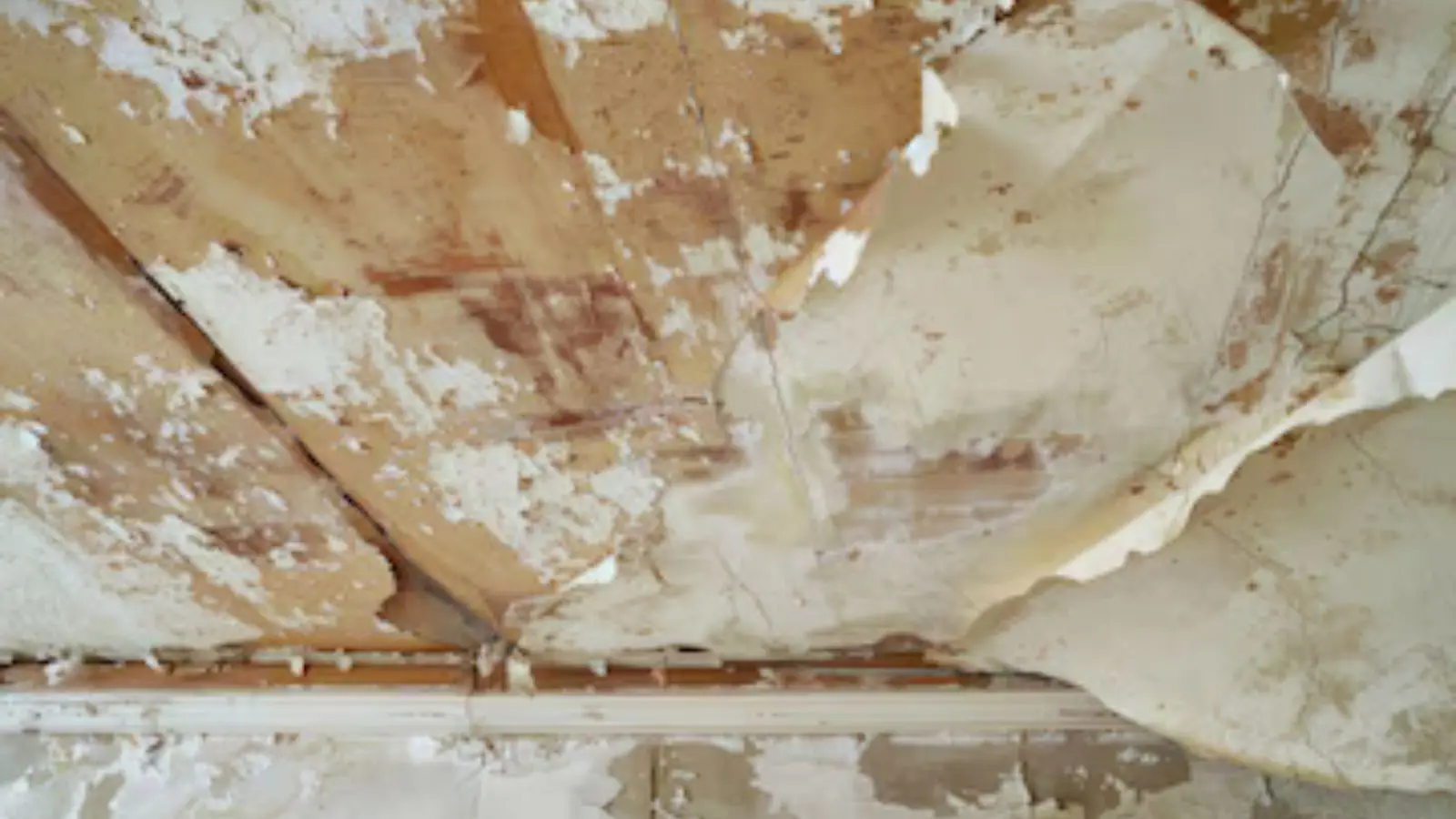
Ceiling water damage repair costs more when the wet area is large, the ceiling is textured or hard to reach, insulation was soaked, mold is present, or the paint has to be matched across a whole room. It costs less when the damage is small, dry and limited to a single patch.
We do not quote dollar figures here, because any number printed without seeing the ceiling would be a guess. What follows is how an estimate is built, so you can see where the money goes.
Two PhasesDrying Costs And Rebuild Costs Are Separate
Most ceiling jobs have two parts. The first is mitigation, which means stopping the damage, removing wet material and drying the structure. The second is repair, which means patching, texture, paint and any carpentry.
Ask for them on separate lines. A mitigation charge reflects equipment and labor to dry the area. A repair charge reflects materials and finish work. Mixing them in one total makes it hard to compare two estimates.
Cost FactorsWhat Moves The Price Up Or Down
Use this table to see where an estimate might rise or fall.
| Factor | Raises the cost when | Lowers the cost when |
|---|---|---|
| Size of the damaged area | Water spread across several joist bays or rooms | The damage is limited to one small patch |
| Ceiling texture | Popcorn, knockdown or heavy patterns must be matched | The ceiling is smooth and easy to blend |
| Insulation above | Insulation is soaked and must be removed and replaced | Insulation stayed dry or is minimal |
| Paint scope | The whole ceiling or room must be repainted to match | A single patch can be blended |
| Access | High ceilings, stairwells, tight attics or finished spaces above | Open attic access and low ceilings |
| Water category | The water was dirty, such as a drain or sewage leak | The water came from a clean supply line |
| Mold present | Growth is found in the cavity and needs separate handling | No growth is found |
| Time before drying | Materials stayed wet long enough to need more removal | Drying began promptly |
Why Size And Texture Matter Most
A patch the size of a dinner plate is a small repair. A stain that crosses two rooms is not. Drywall panels come in standard sizes, and when the damage reaches a seam the repair often grows to the next joist so the new piece has something solid to attach to.
Texture is the quiet cost. A smooth ceiling is the easiest to blend. A heavy popcorn or knockdown texture takes skill and time to match, and a poor match shows every time the light hits the ceiling. If the texture is old, the finish crew may need to feather a wide area to hide the edges.
Hidden LayersInsulation, Mold And What Is Above The Ceiling
What you see from below is only the surface. Wet insulation holds water, stays heavy and loses its value, so it is usually removed rather than dried. Framing above the ceiling must also read dry before it is closed up.
If a crew opens the ceiling and finds mold, the plan changes. Cleanup of growth is its own scope and may involve containment, so the estimate can grow. Ask whether your state licenses mold work, and for a mold job choose a contractor with mold cleanup experience and check references. For guidance on the standard, ANSI/IICRC S520 covers mold and S500 covers water.
PaintPaint Scope And Finish Matching
Fresh paint on a patch beside old paint rarely matches. The usual fix is to paint the whole ceiling, wall to wall, which adds labor and material. A smaller touch-up may be possible if the old paint is recent and the patch is tiny, but it is a gamble.
Ask the estimator how the finish will be matched and whether the price covers one coat or two. Ceilings with strong stains often need a stain-blocking primer before paint, and that is a separate material and step.
Deductibles And Storm Claims In Colorado
The Colorado Division of Insurance hail advisory says wind and hail deductibles may be a percentage rather than a flat amount, and that if repair estimates come in below the deductible the insurer will not pay. For a small ceiling repair after a storm, that can mean the whole bill is yours, so get the numbers before you file.
The advisory also says to report hidden damage found later, and that the insurer may issue a supplement. If the crew finds more wet material once the ceiling is opened, tell your insurer promptly and send the new photos and scope together.
Comparing Estimates?
Call the 24/7 line. A written scope shows what is included so you can compare line by line.
How To Compare Two Estimates
Compare scope before price. Check whether both estimates include the same removal, drying readings, patching, texture, primer and paint. A low number that leaves out drying or paint is not really lower.
Ask each contractor to put it in writing, along with what happens if more damage is found behind the ceiling. The broader water damage repair work usually starts with drying, and the related flood damage restoration steps apply if the ceiling leak came with water on the floor.
Nearby TownsCosts Vary From Town To Town And House To House
A ceiling in a newer home in Brighton and one in an older house in Denver can involve very different finishes, insulation and access. That is why a written scope matters more than any general rule of thumb.
FAQCommon Questions
Why do two ceiling repair estimates differ so much?
Usually the scope differs. One may include drying, insulation, texture and full repainting while the other covers only a patch. Ask both to list each step in writing.
Does a textured ceiling cost more to repair?
Often yes. Matching popcorn or knockdown texture takes time and skill, and a poor match shows. Smooth ceilings are easier to blend.
Is mold found in the ceiling an extra cost?
Often. Mold cleanup is a separate scope and may need containment. Ask whether your state licenses mold work, and choose a contractor with mold cleanup experience.
Should I file an insurance claim for a small ceiling repair?
It depends on your deductible. If the repair estimate is below the deductible, the insurer will not pay. Check your policy and ask your insurer before deciding.
Can I lower the cost by drying the ceiling myself?
A small, shallow wet spot may dry on its own, but wet insulation and framing above the ceiling are hard to dry without equipment. Incomplete drying can cost more later through mold and repeat repairs.
My insurer says the repair is below my percentage deductible. What are my options?
Ask the insurer to explain how it calculated the deductible, then decide whether to pay for the repair yourself. The Colorado Division of Insurance says estimates below the deductible are not paid, and that hidden damage found later can be reported for a supplement. Keep all photos and receipts.
Water still spreading? Call (303) 952-8295 and a crew can be dispatched the same day when available.