

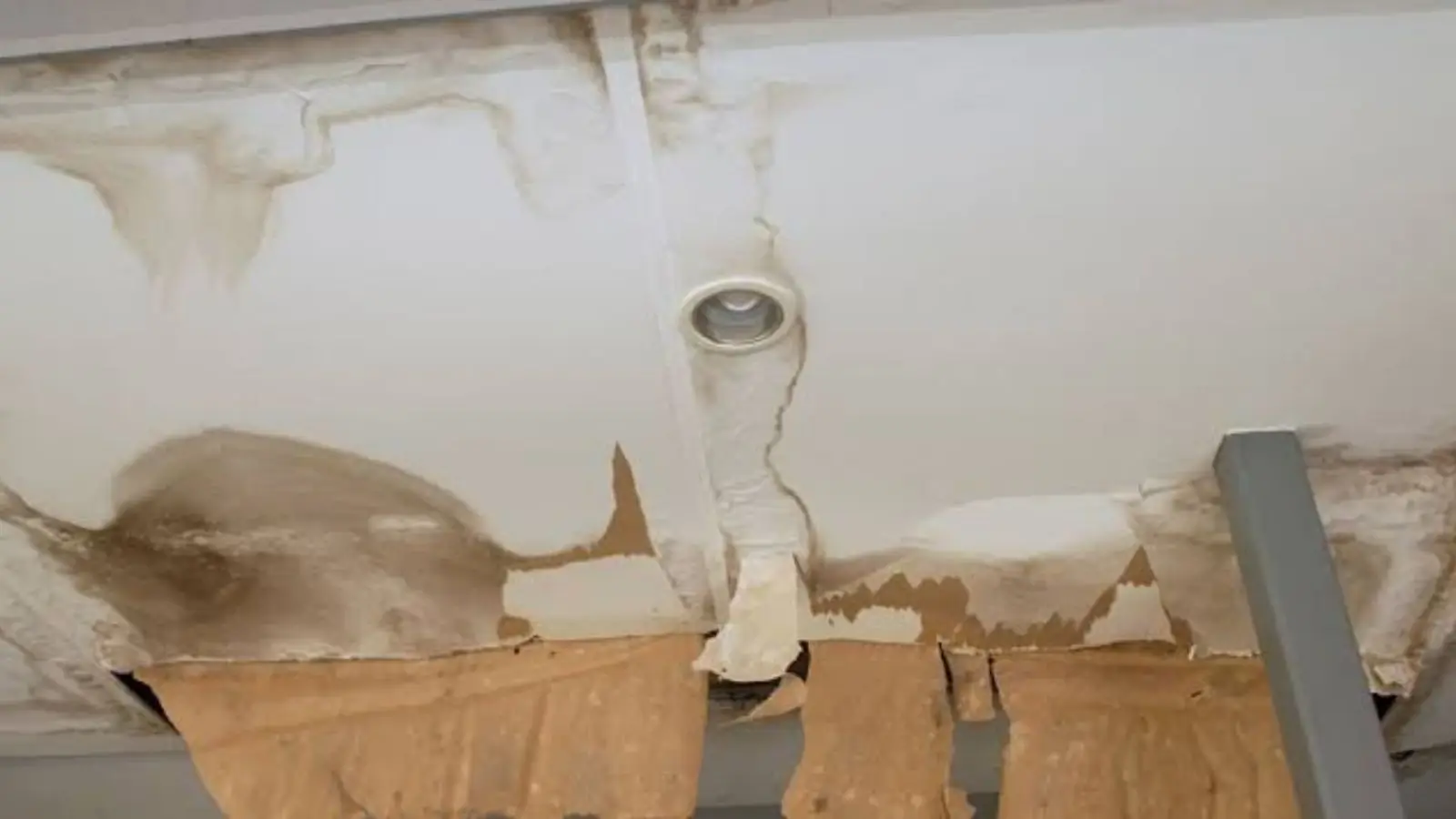
Water damage repair in Commerce City, CO covers everything that has to be rebuilt once the water is stopped and the structure is dry. That means cutting out wet drywall, replacing insulation, fixing floors, and putting trim, texture and paint back so the room looks like it did before the leak.
Repair is a different job from the emergency work that comes first. If a pipe is still dripping or the carpet is still wet, start with water mitigation so the building dries before anyone closes up a wall. If the house is dry and you are left with a stain, a sag or a soft floor, this page is the right place.
Everything on this page follows the same order a good repair crew uses: find the moisture, confirm it is gone, remove what cannot be saved, rebuild, then finish. Skipping the first two steps is how a repaired ceiling ends up stained again by spring.
What Gets RepairedRebuild Work After A Leak Or Flood
Drywall and ceilings
Wet drywall that has sagged, crumbled or stayed damp for more than about two days is usually cut out and replaced. Stained but firm drywall may only need sealing and paint once a moisture meter reads dry.
Insulation
Wet insulation holds water against framing. In walls and attics it is typically removed and replaced, since it does not dry well once soaked.
Flooring
Carpet pad, laminate, vinyl plank and hardwood each react differently to water. Some floors can be dried in place and others are replaced section by section.
Trim, cabinets and doors
Baseboards, door casings and cabinet toe kicks sit right where water collects. They swell and delaminate, so they are often swapped even when the wall behind them is saved.
Paint and texture
A patch is only invisible when the texture and sheen match. Stain-blocking primer goes on before paint so tannin and rust stains do not bleed through.
Subfloor and framing
Wood that stayed wet can swell or soften. Crews probe it, measure it, and replace only the sections that fail the test.
Ceiling and Wall Water Damage Repair
Ceilings tell the story of a leak. A brown ring usually means water passed through the drywall from above, and a bulge means water is still sitting on the back side. Common causes are a failed supply line or toilet seal on an upper floor, a condensate line from an air handler, or a roof leak after a storm.
The repair starts by finding where the water came from and confirming it has stopped. A moisture meter and a thermal camera show how far the damage spreads past the visible stain, which is often several feet in every direction. The wet section is cut back to the nearest framing, the cavity is checked and dried, and new board is hung, taped, mudded and sanded.
Finishing decides whether the repair is noticed. Stain-blocking primer, a texture that matches the surrounding ceiling, and a full coat of paint to a natural break such as a corner give the cleanest result. Walls follow the same process, with extra attention to outlets and baseboards where water travels down inside the cavity.
FloorsHardwood Cupping After Water Exposure
Cupping happens when the bottom of a board takes on more moisture than the top, so the edges rise and the middle dips. It often shows up a few days after a dishwasher, washer or supply line leak, once water has soaked into the subfloor.
Hardwood that is dried slowly and measured with a moisture meter can sometimes flatten on its own, and the floor is then sanded and refinished. Boards that stay cupped, buckled or black at the seams are replaced. Waiting to decide is a mistake in either direction, because refinishing wood that is still damp traps the problem under new finish.
Repair Or ReplaceA Simple Way To Decide
These are general rules of thumb. A moisture reading on site decides each case.
| Material | What you see | Usual call |
|---|---|---|
| Drywall | Sagging, soft, crumbling or stained and still damp | Cut out and replace the wet section |
| Drywall | Brown stain, firm, reads dry on a meter | Seal with stain blocker, then repaint |
| Carpet pad | Soaked from a Category 2 or 3 source | Discard the pad, clean or replace the carpet |
| Hardwood | Edges raised, floor still reads wet | Dry slowly, re-measure, then sand or replace |
| Laminate or vinyl plank | Seams lifted or swollen | Replace affected planks, check the subfloor |
| Insulation | Wet or compressed in a wall or attic | Remove and replace |
| Baseboard and casing | Swollen, split or peeling | Replace, caulk and repaint |
Not Sure What Is Salvageable?
Describe the damage and a crew can explain what is likely repaired and what is replaced.
What Moves The Cost Of A Water Damage Repair
Repair cost depends on the job, not on a flat rate. These five factors do most of the work in any estimate, and each one is explained in writing before work begins.
Water category
Clean supply water, gray water and sewage are treated differently, and contaminated materials are removed rather than saved.
Square footage
A single ceiling patch and a whole wall run are very different amounts of board, mud and paint.
Materials
Hardwood, tile, custom cabinets and standard drywall carry different material and labor needs.
Drying history
If the area was dried quickly and measured, more material is saved. Long-wet areas need more removal.
Rebuild scope
Matching texture, paint across a full wall, and trim replacement all add steps beyond the damaged spot.
No exact prices appear on this site because every job differs. Want your real number? Call (303) 952-8295 and the scope and price are explained before any work starts.
Insurance and the repair scope
Sudden and accidental water damage, such as a burst pipe, is often covered by a homeowners policy, while slow leaks and neglected maintenance often are not. Check your policy or ask your insurer. The Colorado Division of Insurance advises contacting your insurer as soon as possible after the damage and getting the company's instructions before making repairs, so photograph everything and keep the written scope the repair crew gives you.
Repair Timing In Commerce City
Denver area weather shapes when repairs are safe to finish. NWS Boulder records an average first freeze of October 7 and an average last freeze of May 5 for Denver, so exterior leaks and supply lines in unheated spaces are a real risk for about seven months of the year. If a frozen line caused the damage, the repair crew should confirm the pipe has been fixed before any wall is closed.
Permits are the other local piece. The City of Commerce City says many home projects need a building permit, with a water heater replacement as one of its examples, and it asks homeowners to call its Building Safety Division at 303-289-3790 before starting work. Ask that office what your specific repair needs, and ask any contractor you hire for a copy of the city permit when one applies.
Water that came from a public line is a utility question first. The South Adams County Water and Sanitation District, not the city, provides water and wastewater service across most of Commerce City. A main break or sewer issue outside your property line goes to the district before it goes to a repair crew.
Where Repair FitsHow Repair Connects To The Rest Of The Job
A complete water loss usually moves through three stages. The first is emergency water removal and drying, the second is water damage cleanup of any soiled or contaminated material, and the third is this repair stage. If the water came from a storm or a rising creek, the plan often begins with flood damage restoration instead.
Repairs inside a wall that has been wet for several days also raise the question of mold. If you see dark spots, smell something musty, or find growth on the back of removed drywall, the mold remediation page explains how testing and containment work before any rebuilding begins.
Homes and businesses north and east of the city follow the same process. A crew dispatched from Commerce City also covers Brighton, Thornton and Denver.
FAQCommon Questions
How do I know if my water-damaged ceiling needs to be replaced?
Look for sagging, bubbling, crumbling board, or a stain that keeps spreading. Those usually mean the drywall is saturated and has to be cut out. A stain that is firm, dry to a moisture meter and no longer growing can often be sealed and painted.
Can the repair start before the area is fully dry?
No. Closing a wet wall traps moisture against framing and invites mold. A crew checks readings first, then rebuilds. If the structure is still wet, drying comes before repair.
Will the new paint match the old paint?
A good repair blends the texture first, then paints a full wall or ceiling section to a natural corner. Paint age and sheen vary, so painting to a break line is more reliable than spot painting.
How long does a water damage repair take?
A small drywall patch is a short job. A whole room with flooring, trim and paint takes longer because primer and mud need drying time between steps. The crew gives a schedule after the on-site scope.
Does insurance pay for water damage repair in Colorado?
Sudden and accidental damage is often covered, and gradual leaks often are not. Coverage depends on your policy, so ask your insurer. Keep photos, the written scope and receipts, and give your insurer the full set at once rather than in pieces.
Do you handle repair emergencies at night or on weekends in Commerce City?
The dispatch line is open 24 hours a day. Repair itself is planned work, but if the damage is active, the first step is stopping and drying the water, and a crew can be sent the same day when available.
Water still spreading? Call (303) 952-8295 and a crew can be dispatched the same day when available.