

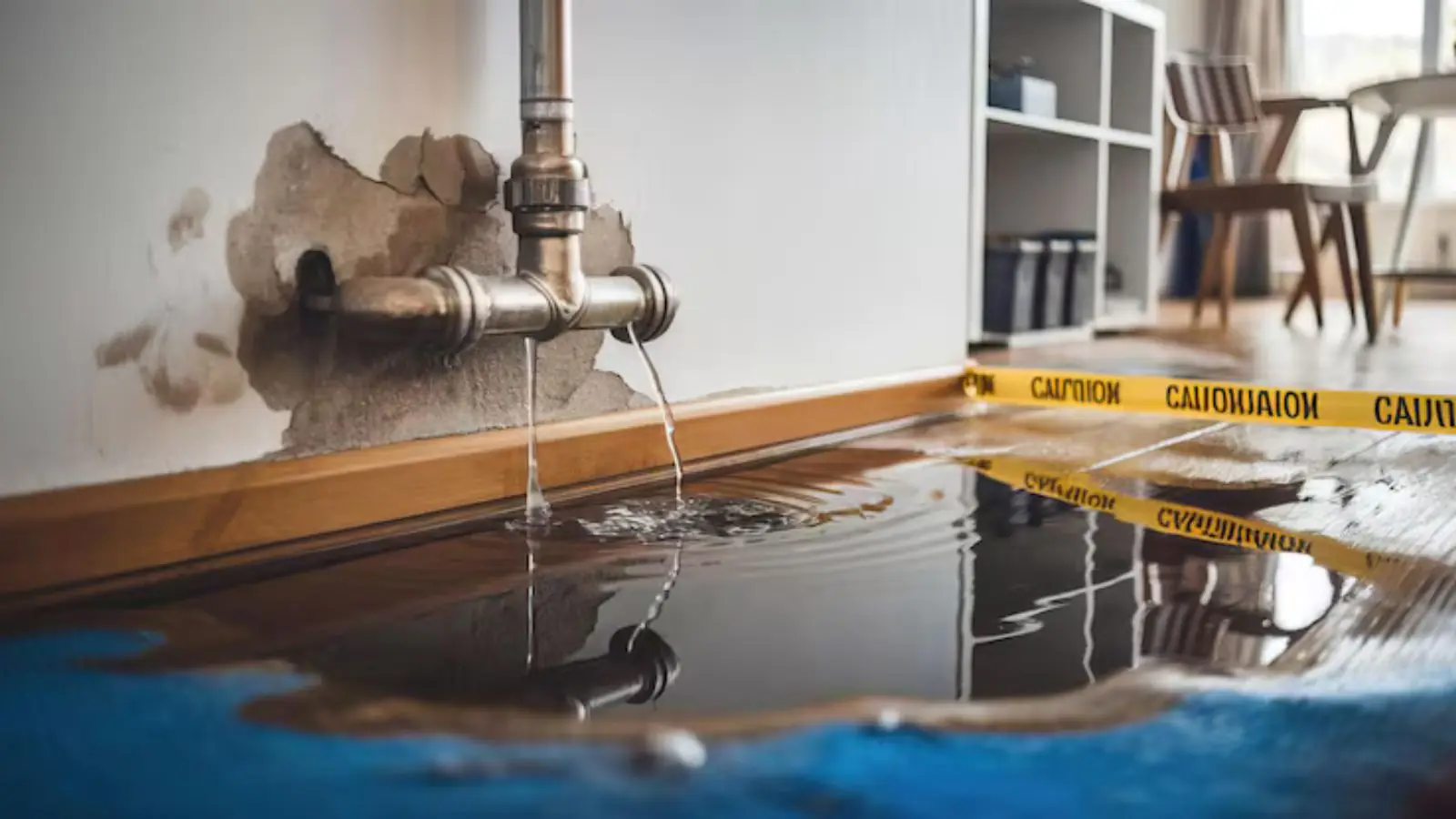
If water has reached your floors, walls or ceiling in Commerce City, the next 24 to 72 hours matter most. Emergency water mitigation is the stop-the-damage stage of a water loss: find and stop the source, pull out standing water, start drying, and measure moisture so the crew knows where water has gone. The 24/7 line is open, and a crew can be dispatched the same day when available.
Until the crew arrives, shut off the water to the affected line if you can do it safely. Turn off power to wet areas only if the panel is dry and reachable, lift valuables, and keep people and pets out of any contaminated water. Take photos of the damage before anything is moved.
Mitigation is not the rebuild. It protects the structure so the rebuild is smaller, and it is the stage that most affects the final bill.
In Plain WordsMy Wall Is Wet And I Do Not Know What To Do Next
People rarely search for the word mitigation. They search for a wet carpet, a stain spreading across a ceiling, or a musty smell that will not go away. Those are the signs that mitigation is needed. The crew finds out where the water went, removes it, and dries the building before damage and mold set in. In trade language that is water mitigation.
How It WorksThe First 72 Hours, Step By Step
Stop the source
Shut-off at the fixture or main valve, or confirm a roof or window leak is covered.
Extract water
Pumps and extraction units remove standing and soaked-in water.
Map moisture
Moisture meters and thermal imaging show wet areas behind surfaces.
Set up drying
Air movers and dehumidifiers run, with readings repeated until dry.
Structural Drying
Structural drying is the careful part of mitigation. Wet drywall, framing, subfloor and concrete release moisture slowly, and the goal is to move it out of the building instead of pushing it around. Air movers circulate air across wet surfaces, and low-grain refrigerant dehumidifiers pull the released moisture out of the air.
A crew places equipment based on what the moisture meter and thermal camera show, then returns to check readings, move equipment and decide when drying is done. A typical dry-out runs several days, and the daily readings are the record of progress. Opening wall cavities or lifting baseboard lets air reach hidden wet spots, so some small openings are normal.
Drying equipment is loud and uses power, which is normal for a few days. Do not turn it off or move it unless the crew says so, because a shut-down fan can leave a hidden pocket wet.
What Gets DriedMitigation By Material
| Material | Common approach | Why |
|---|---|---|
| Drywall | Dry in place if firm, remove if soaked or sagging | Wet board can crumble and hold moisture |
| Carpet and pad | Extract, lift pad, dry the carpet if clean water | Pad holds water against the subfloor |
| Hardwood | Slow drying with moisture checks | Fast drying can crack boards |
| Concrete slab | Dehumidify and measure | Slabs release water slowly |
| Framing and subfloor | Open cavities, circulate air | Hidden wood stays wet the longest |
The First Day Decides The Scope
Call now and ask what to do while the crew is on the way.
What Goes Into The Mitigation Estimate
The written scope reflects the job in front of the crew.
Water category
Clean water dries differently from contaminated water.
Affected area
Square footage and number of rooms set the equipment count.
Materials
Hardwood, concrete and insulation each need different handling.
Drying days
More days and more equipment raise the total.
Hidden moisture
Water behind walls or under floors takes added openings and checks.
No exact prices are listed because each loss differs. Want your real number? Call (303) 952-8295 and the scope and price are explained before any work starts.
Insurance and documentation
The Colorado Division of Insurance advises contacting your insurer as soon as possible and following the company's instructions before repairs. Moisture readings, photos and the written scope from the mitigation crew give you a record to send to your insurer. Coverage depends on your policy, so ask your insurer what applies.
Why Drying Takes Longer In Cold Months
Denver area winters bring snow, and NWS Boulder records average seasonal snowfall of 56.9 inches. Cold walls and closed windows slow drying indoors, so crews rely on dehumidifiers and added heat instead of outdoor air. A burst line is a common winter cause, since the average first freeze arrives around October 7 and the last around May 5.
After the building is dry, the remaining steps are water damage cleanup of any soiled materials and water damage repair. If standing water is the main problem right now, see emergency water removal. Crews also reach Thornton and Denver from Commerce City.
FAQCommon Questions
What does water mitigation mean?
Water mitigation means stopping and limiting water damage. It includes shutting off the source, removing standing water, setting up drying equipment and measuring moisture so damage does not spread.
How long does drying take?
Many jobs take several days, depending on the materials and how much water soaked in. The crew checks readings daily and stops when the structure reads dry.
Why are fans and dehumidifiers left running for days?
Wet materials release moisture gradually. Air movers push air across them and dehumidifiers remove the moisture from the air. Stopping early can leave hidden moisture behind.
Do you remove drywall during mitigation?
Only when it is soaked, sagging or contaminated. Firm drywall can often be dried in place. Small holes or removed baseboard help air reach wet cavities.
Can I start drying with household fans?
Fans help a little, but they do not remove moisture from the air or find hidden water. A crew uses meters and dehumidifiers to confirm the structure is dry.
Do you handle water mitigation emergencies at night or on weekends in Commerce City?
Yes. The line is open 24 hours a day, every day, and a crew can be dispatched the same day when available.
Water still spreading? Call (303) 952-8295 and a crew can be dispatched the same day when available.