

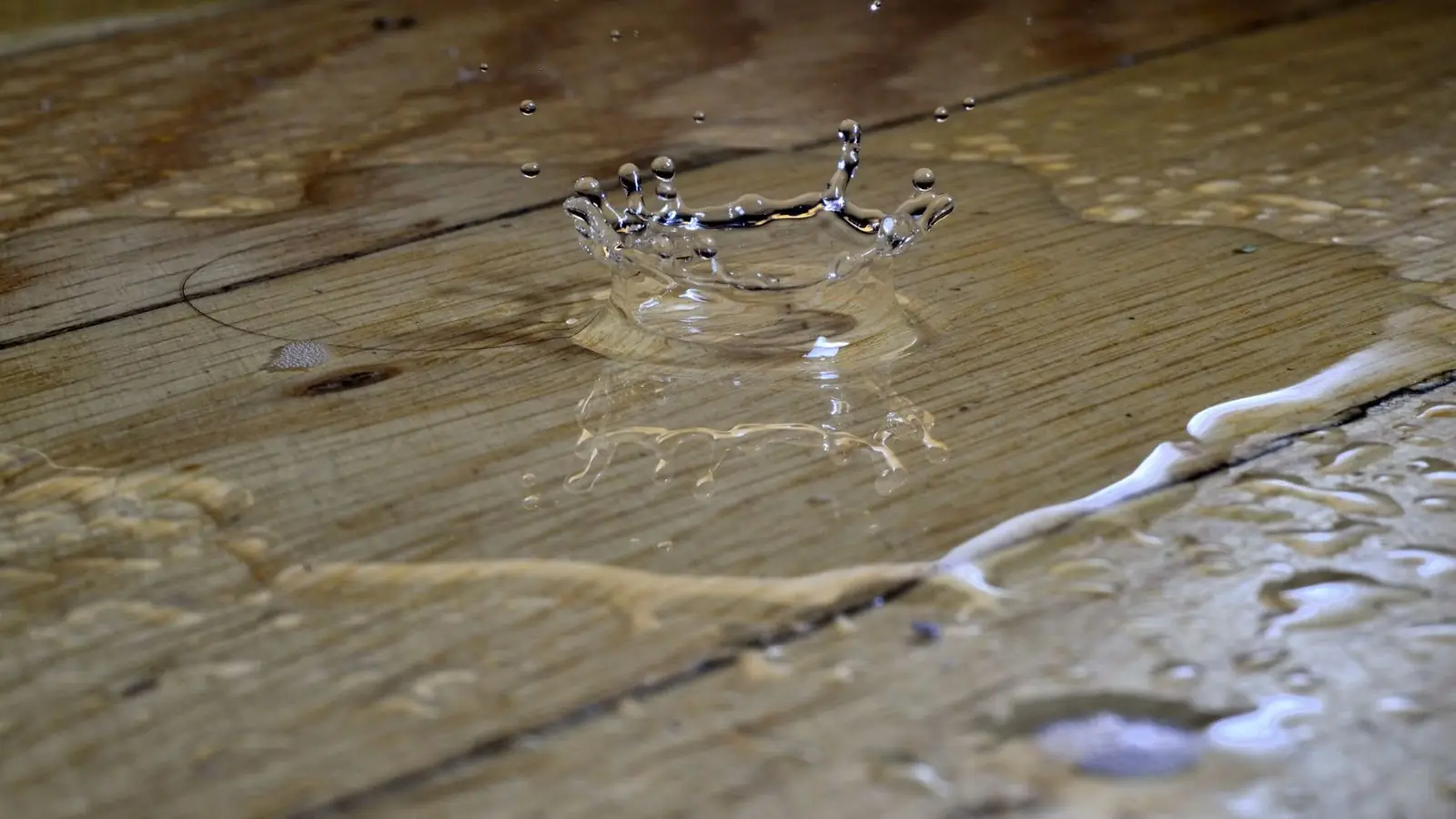
Hardwood floors can often be saved after water damage if the water is removed quickly and the wood is dried slowly. Boards that cup, crown or buckle are reacting to moisture, and the shape tells you how much water they took on. Many cupped floors flatten once they dry, while buckled floors that have lifted off the subfloor more often need replacement.
The first day matters most. Get standing water out, lift rugs and furniture, and keep the dehumidifier running. Do not sand or refinish until the boards and the subfloor read dry.
Reading The BoardsCupping, Crowning And Buckling Compared
These three shapes are the main signs of a wet floor. They can show up together in different rooms.
| Shape | What you see | Likely cause | Typical outlook |
|---|---|---|---|
| Cupping | Board edges higher than the center | Moisture from below or humidity | Often flattens as it dries, then may be sanded |
| Crowning | Centers higher than the edges | Drying too fast after cupping, or sanding too early | Often corrected by more drying and sanding |
| Buckling | Boards lift away from the subfloor | Heavy water, often from a flood | Often needs board or section replacement |
| Gaps | Wider spaces between boards | Wood shrinking after drying | Cosmetic, may be filled or left |
| Dark staining | Black or gray marks at the grain | Water sat on the wood for days | May not sand out, so replacement is likely |
Why Slow Drying Protects The Wood
Wood swells when it absorbs water and shrinks when it dries. If it dries too fast, the surface shrinks before the core does, and the boards can crack or crown. A professional crew controls airflow, heat and humidity so moisture leaves at a steady pace.
Specialty drying systems can pull moisture out through the board faces and through the subfloor. Some jobs use mats that sit on the floor with a vacuum under them. Others remove a few boards so air can reach the subfloor from the edge.
This is slower than a fan in the corner, and that is the point. Drying often takes days, and a technician re-reads the meter before declaring the floor ready.
Why Commerce City Winters Matter For Wood
The National Weather Service Boulder office lists the Denver average first freeze as October 7 and the average last freeze as May 5. That is a long stretch with the furnace running, and heated indoor air is very dry. If your floor takes on water in winter, dry air can pull moisture out of the surface quickly, so ask the crew how they will control the pace.
The same dry air affects wood that is not wet. Hardwood can shrink and gap in a heating season, and those gaps are not always water damage. Check a dry room before assuming the worst, and compare your readings against a floor that never got wet.
Boards Starting To Lift?
Call the 24/7 line before the cupping turns into buckling.
Do Not Forget The Subfloor
A dry-feeling board can sit on a wet subfloor. Moisture trapped under the planks keeps feeding the wood and can lead to mold on the underside. A pin meter or a moisture meter with a deep reading tells you what the surface cannot.
If your floor sits over a basement or crawl space, check the ceiling below for stains. Water that went down has to be dried from both sides.
Floors laid over concrete need a separate check. A slab holds water for a long time, and the readings can stay high after the boards look fine.
The DecisionRefinish, Repair Or Replace
Refinishing makes sense when the boards are flat, the finish is dull or stained, and the wood is dry all the way through. A sander removes the top layer, and a new finish seals it. Solid hardwood can usually be sanded a few times over its life, while thin engineered flooring has less wood to remove.
Repair means swapping the worst boards and blending the new ones into the old. Replacement is needed for buckled sections, for floors with deep dark stains and for engineered products that have delaminated. A crew explains the scope and price before work starts, so you can compare.
Next StepsWhat To Do In The First Day
A few steps help the boards and help any claim you decide to make.
- Stop the water source and remove standing water with a wet vacuum.
- Take photos and video of the floor before anything moves.
- Lift rugs, plants and furniture, and place foil or wood blocks under legs.
- Run a dehumidifier and keep the temperature steady, not hot.
- Call your insurer and ask what they need. Check your policy for what applies.
Where To Learn More
For drying work, read about water mitigation. For the rebuild stage, see water damage repair. If you are comparing crews in nearby cities, see Aurora and Brighton.
FAQCommon Questions
Will cupped hardwood go back to normal?
Often yes, if the cause is stopped and the boards dry slowly. Wait until moisture readings are normal before sanding, because sanding too early can leave the floor crowned.
How long does a hardwood floor take to dry?
Several days is common, and some floors need longer. The crew should take readings in the boards and the subfloor and stay until they match a dry reference.
Can I use fans and a heater to dry my floor fast?
That is risky. Drying too fast can crack or crown boards. Controlled airflow and a dehumidifier are safer.
Is engineered flooring different from solid hardwood?
Yes. Engineered boards have layers and can separate when wet. Solid wood often tolerates more drying and sanding.
Should I pull up the boards myself?
Only if a professional advises it. Removing a few boards can help drying, but it can also damage tongue and groove edges.
Does dry winter air in Commerce City affect wet floors?
It can speed up surface drying and cause cracks if the pace is not controlled. The first freeze averages October 7 and the last freeze May 5 in the Denver climate record, so heated indoor air is common for many months.
Water still spreading? Call (303) 952-8295 and a crew can be dispatched the same day when available.